
For optimal control, choose tires that align with your riding style and conditions. For sporty maneuvers, opt for soft compounds that offer enhanced grip, while adventure seekers might benefit from all-terrain varieties that provide stability across different surfaces.
The right rubber significantly alters your vehicle’s response to steering inputs. A wider profile promotes better road contact, translating into improved cornering ability. Conversely, narrow options reduce straight-line friction, which may be advantageous for certain applications.
Pay attention to the tread patterns. Aggressively designed treads enhance traction in wet conditions, a key element for maintaining stability during unpredictable weather. Conversely, a smoother surface promotes rapid heat build-up for optimal grip on warm, dry asphalt, critical for track performance.
Regularly assess your choices based on experiences and environmental factors. Adapting to changing road conditions ensures your setup remains fine-tuned for the best riding experience.
How Tire Compound Affects Grip in Various Conditions
Choosing a softer rubber mixture can significantly enhance traction on wet surfaces. These blends are designed to maintain flexibility, enabling deeper penetration into the road’s texture, which maximizes surface contact. As rain falls, a tire with this compound offers better water displacement, reducing hydroplaning risks.
Conversely, harder compounds perform better on dry pavement, delivering optimal stability during aggressive cornering. They resist deformation under high forces, thus improving feedback through the bike. Riders seeking spirited performance on warm days should consider these options for maximum grip during spirited rides.
For diverse terrains, a balanced approach is ideal. A dual-compound configuration allows for softer edges for cornering grip while maintaining a harder center for longevity on straight sections. This versatility can cater to both street riding and occasional off-road adventures, tailoring the experience to varying demands.
Temperature plays a crucial role in grip as well. Rubber that is too soft in hot conditions can wear quickly, whereas a stiffer compound may not provide adequate traction in colder weather. Monitoring seasonal changes can guide the maintenance of optimal grip throughout the riding experience.
Understanding the Role of Tire Profile in Cornering Stability
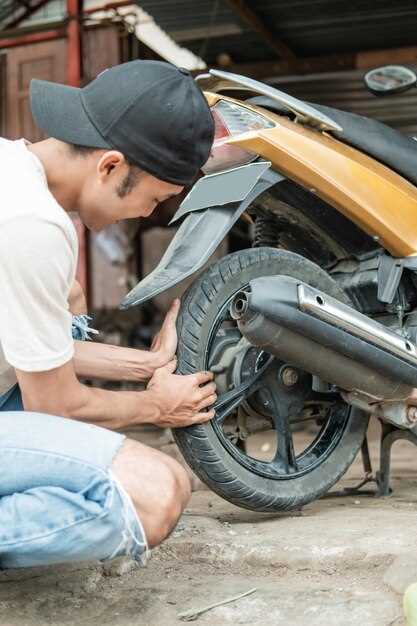
A flatter profile offers enhanced stability when leaning into corners. Choosing tires with a minimal arc allows for a larger contact patch during aggressive bank angles, contributing to increased grip and confidence while navigating sharp turns. In contrast, a more rounded profile is beneficial for transitioning between corners but may sacrifice some stability at higher lean angles.
The sidewall construction plays a key role as well. Stiffer sidewalls reduce flex during cornering, enabling precise feedback from the road surface. Riders seeking more agility might prefer tires with softer sidewalls to gain a more responsive feel. Table 1 illustrates the trade-offs between different profiles and their effects on cornering characteristics.
| Profile Type | Characteristics | Best Suited For |
|---|---|---|
| Flatter | Increased stability, larger contact area | Aggressive cornering, high-speed maneuvers |
| Rounded | Improved transition, agile turn initiation | Frequent turns, less aggressive riding |
| Stiff Sidewall | Reduced flex, precise feedback | Performance riding, track use |
| Soft Sidewall | Increased flex, responsive feel | Casual rides, lower speeds |
Testing various profiles on different terrain can reveal personal preferences and riding styles. Depth of understanding in how each design affects grip, feedback, and overall maneuverability empowers riders to make better decisions tailored to their specific needs and scenarios.
Choosing the Right Tire Size for Optimal Motorcycle Balance
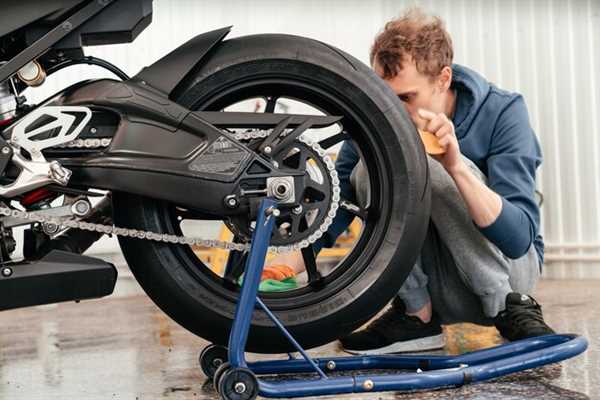
Selecting the appropriate dimension for your wheels is critical for achieving stability and ensuring precise maneuverability. The ideal size facilitates better contact with the surface, enhancing grip and feedback during turns. A common guideline is to maintain a proportionate width to the rim size; tire manufacturers often provide recommendations based on this ratio.
- Wider wheels can improve traction, especially during cornering.
- Narrower options offer quicker steering responses but may compromise grip.
- Check the manufacturer specifications for the suggested width range.
Also, consider the aspect ratio. A lower aspect ratio generally leads to improved responsiveness but may sacrifice comfort on uneven surfaces. Higher ratios can augment stability but can create sluggishness in turns. Balance the trade-offs by reflecting on your riding style and typical road conditions.
Lastly, tire age and wear also influence balance. Regularly inspect the tread pattern and surface to determine if the current size and style still meet your expectations. An ill-suited option can drastically alter your experience, making it necessary to reassess and possibly change your selection based on the feedback received from both the bike and the riding environment.
