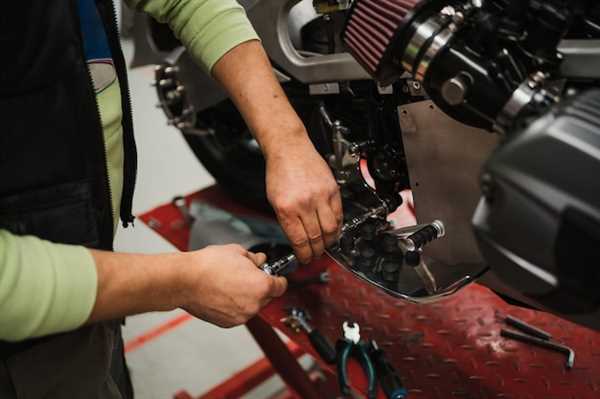
First and foremost, upgrading your carburetor or fuel injection system can significantly influence throttle response and overall power delivery. Upgrading jets or adjusting the fuel mapping ensures optimal air-fuel ratios during acceleration, resulting in a smoother and more powerful ride.
Next, the exhaust system plays a pivotal role in performance. Swapping out the stock muffler for a high-flow alternative not only reduces back pressure but also enhances the sound profile, providing an exhilarating auditory experience while riding. Consider investing in a full system rather than just a slip-on, as this approach maximizes power gains by optimizing both the header and muffler.
Additionally, refining ignition timing can yield substantial improvements in acceleration. Utilizing programmable ignition controllers allows you to tailor the spark advance curves, ensuring that power delivery is fine-tuned to your riding style and conditions. This can be especially beneficial for racing applications, where every millisecond counts.
Lastly, suspension and tire upgrades are critical. A well-tuned suspension ensures optimal contact with the road, enhancing both stability and handling. Pairing these adjustments with high-performance tires improves grip and responsiveness, providing a complete transformation of the riding experience.
Optimizing Air-Fuel Mixture for Enhanced Throttle Response
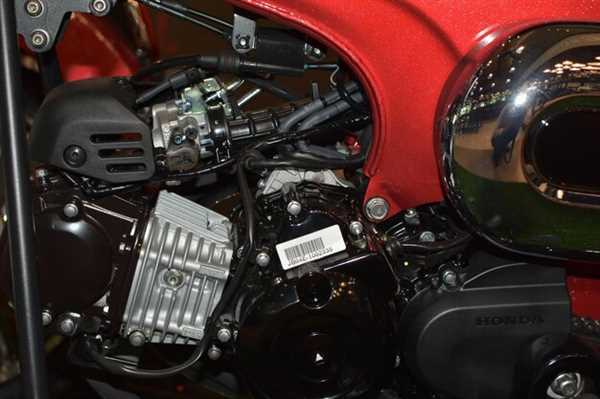
Adjust the fuel mapping using a fuel management system, which allows real-time alterations to the air-fuel mixture. For maximum efficiency, aim for a ratio of approximately 13:1 to 13.5:1 under wide-open throttle conditions. This mixture enhances combustion, providing a sharper throttle response and improved power delivery.
Ensure that the bike’s intake system is unobstructed. Replacing the stock air filter with a high-flow option can significantly improve airflow, ensuring an optimal air-fuel ratio. Monitor the exhaust system; removing any restrictions also contributes to a swift throttle response, allowing for a more immediate power surge.
Regularly inspect and clean the fuel injectors, as clogged injectors can lean out the mixture, negatively impacting performance. Additionally, consider switching to a higher octane fuel if the engine is modified, as this can promote better combustion characteristics. These changes, when correctly implemented, will lead to a more responsive machine.
Choosing the Right Exhaust System for Improved Power Output
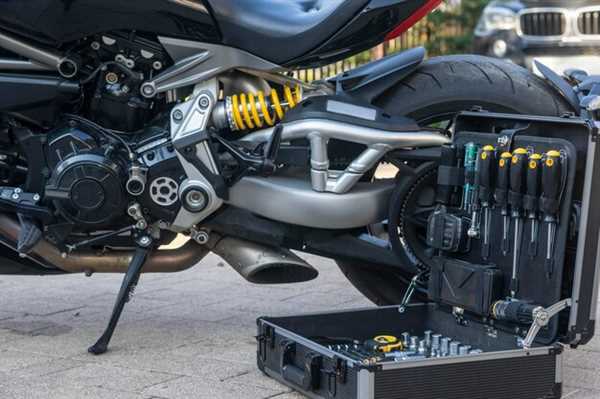
Select a high-performance exhaust designed specifically for your motorcycle model to enhance power. Look for options that minimize back pressure and promote optimal airflow, which directly impacts horsepower and torque. Materials like titanium or stainless steel offer durability and weight savings, further contributing to performance gains. Brands such as Akrapovic, Yoshimura, and Two Brothers have extensive lines known for increases in output and sound quality.
Tuning ECU Settings for Tailored Performance Mapping
Adjusting air-fuel ratios is a fundamental aspect of ECU modification. Optimal A/F ratios should ideally be around 13:1 for wide-open throttle conditions, ensuring a balance between power and engine safety. Use a dynamometer to monitor engine output while making adjustments to achieve precise ratios for specific RPM ranges.
Incorporating ignition timing advancements can significantly enhance throttle response. You can experiment with advancing timing by 2-3 degrees in lower RPM ranges, which tends to improve acceleration. However, ensure to monitor knock sensors closely to avoid pre-ignition issues.
- Experiment with different fuel grades to analyze performance impact.
- Utilize aftermarket software to adjust mapping profiles for various riding scenarios.
- Regularly update software to benefit from latest tuning developments.
- Document changes meticulously for easier troubleshooting and adjustments.
