
The first step toward a reliable ride is checking the tire pressure regularly. Ideal levels ensure safety and extend the life of the tires, enhancing performance on various terrains.
Pay close attention to the oil level and quality. Regular oil changes keep the engine running smoothly and prevent costly damage due to wear and tear.
Chain lubrication should not be overlooked. A well-lubricated chain not only improves performance but also promotes longevity, ensuring your bike remains agile and responsive.
Ensure that brake pads are in good condition. Regularly inspecting and replacing them when worn is essential for maintaining stopping power and overall safety.
Battery upkeep is key. Cleaning terminals and checking connections can prevent starting issues and prolong battery life, keeping your bike ready to hit the road.
Daily Pre-Ride Checks: What to Inspect Before Hitting the Road
Check tire pressure before heading out. Under-inflated tires can reduce fuel efficiency and affect handling. Use a reliable gauge and adjust according to your bike’s specifications.
Inspect the oil level. Low engine oil can cause severe damage. Ensure the bike is on a level surface and use the dipstick to get an accurate reading; refill if necessary.
Look over the brake system. Squeeze the levers firmly to check for responsiveness. Examine the brake pads for wear and ensure there are no leaks in the lines. Functioning brakes are critical for safety.
Verify that all lights are functioning. Test the headlights, taillights, and turn signals. Visibility is key, especially at night or during inclement weather.
Handlebars should turn smoothly without any obstruction. Ensure that all cables are free of fraying. This small check can prevent future complications while riding.
Finally, do a general inspection for any loose or missing bolts and inspect the chain for proper tension and lubrication. A well-maintained bike can enhance your riding experience significantly.
How to Properly Clean and Lubricate Your Motorcycle Chain

Clean the chain regularly to avoid unnecessary wear. Aim for a frequency of every 200–300 miles or after riding in wet conditions. Dirt and grime can accelerate degradation, so having a routine is crucial.
To clean the chain, use an appropriate chain cleaner. Apply it generously while spinning the wheel, ensuring thorough coverage. Utilize a soft brush to scrub away caked-on debris, paying extra attention to tight spots. Rinse the chain with water afterward, ensuring no cleaner remains.
- Do not use high-pressure water as it can force contaminates deep into the links.
- Let the chain dry fully before applying lubricant to prevent trapping moisture.
For lubrication, select a high-quality chain lube designed for your bike’s chain type. Avoid using general oils, as they won’t provide the necessary cling or protection against the elements.
Apply lubricant evenly to the chain while rotating the wheel. Focus on the rollers and side plates, ensuring coverage but avoiding excess that may fling onto other parts of the bike. Allow the lube to settle for about 10–15 minutes before riding.
- Check tension after lubrication. A properly tensioned chain enhances performance.
- Inspect for wear regularly to catch potential issues early.
Tire Maintenance: Ensuring Safety and Performance on Every Ride
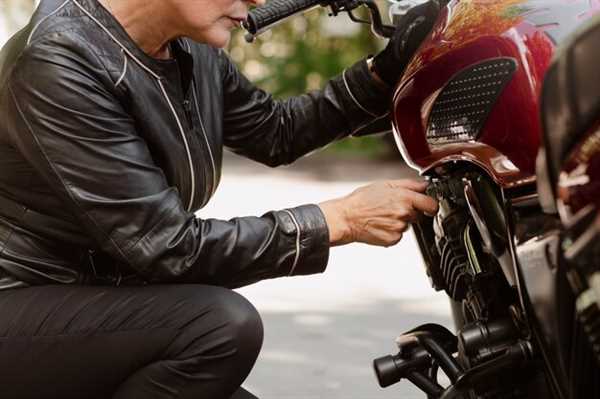
Check tire pressure weekly to prevent uneven wear and improve fuel efficiency. The recommended psi can be found in the owner’s manual or on the sidewall. Under-inflated tires increase rolling resistance and can lead to blowouts, while over-inflation reduces traction and comfort.
Inspect the tread depth regularly. Use the penny test: insert a penny into the tread with Lincoln’s head down. If you can see all of Lincoln’s head, it’s time to replace your rubber. Adequate tread ensures proper grip, especially in wet conditions, reducing stopping distances.
Examine the tires for signs of damage, such as cracks, bulges, or foreign objects. Small punctures may be repairable, but significant damage typically warrants a replacement. It’s advisable to visually inspect tires before and after each ride to catch potential issues early.
Rotate tires every 5,000 to 8,000 miles to promote even wear. This helps extend the lifespan of the tires and maintain balanced handling. Follow the manufacturer’s guidelines for rotation patterns, as different bikes may require varying approaches.
Consider using tire protectants to shield against UV damage and oxidation. Applying these products can help maintain tire elasticity and prolong life. Maintain regular washing to remove debris and prevent corrosion on wheels and rims, enhancing both aesthetics and functionality.
