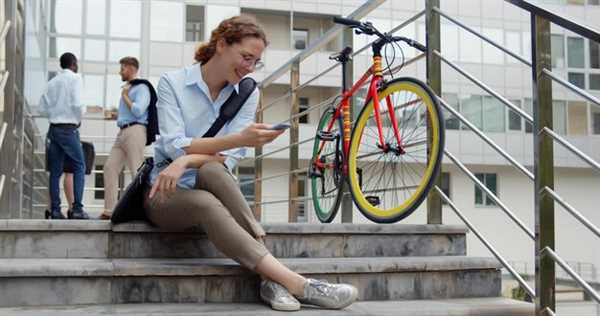
Opt for a lightweight model, ideally with a sturdy frame and puncture-resistant tires. This will ensure smooth handling on city streets and durability against urban wear and tear.
Consider the gear system; a single-speed bicycle is simple and requires less maintenance, while multiple gears can help conquer hilly areas. If frequent stops are part of your daily routine, a step-through design allows for easy mounting and dismounting.
Don’t overlook comfort; an ergonomic seat and adjustable handlebars can greatly enhance your experience during daily travels. Integrated lights and reflectors increase visibility, making rides safer after dark.
Finally, think about storage options. A rack or panniers will facilitate carrying groceries or work supplies, turning your bike into an all-in-one commuting solution.
Assessing Your Daily Commute Needs for a Commuter Motorcycle

Evaluate route length, traffic conditions, and average travel time. If daily distances exceed 10 miles, a motorcycle with a comfortable seat and decent fuel economy will enhance your experience. Consider city layouts, including the frequency of stoplights and rush hour congestion, which may affect your choice between a sport model or a cruiser.
Analyze your storage requirements. Commutiing often necessitates carrying a laptop or groceries. Select motorcycles that offer ample options for secure storage, such as built-in compartments or compatible aftermarket solutions. This ensures you won’t compromise practicality for style.
Weather factors play a role in decision-making. For those who face rain or extreme heat, consider a model with appropriate wind protection and accessories like fairings. Riding gear should also include waterproof materials to ensure comfort and safety during inclement conditions.
Test ride various styles to find what suits you best. Comfort is paramount since you might spend significant time in traffic. Pay attention to seat height and handlebar position; an ergonomic fit reduces fatigue and enhances maneuverability. A motorcycle that feels good under you will make daily travel more enjoyable.
Key Features to Look for in a City Riding Bike
Prioritize a lightweight frame, often made from aluminum or carbon fiber, as this enhances maneuverability and ease when navigating through traffic. Look for a comfortable seating position; flat handlebars provide better control and allow for an upright posture, reducing strain on the back during commutes. Gearing should be appropriate for urban settings; single-speed options or internally geared hubs simplify maintenance while offering sufficient versatility for most city terrains.
| Feature | Description |
|---|---|
| Durability | Weather-resistant materials and components withstand urban conditions. |
| Brakes | Disc brakes offer reliable stopping power in various weather. |
| Tires | Wider tires enhance stability and comfort on uneven surfaces. |
| Accessories | Built-in racks and fenders increase practicality for daily use. |
Understanding Maintenance and Safety for Urban Biking

Regular inspection of your commuter cycle is non-negotiable. Check tire pressure weekly, ensuring they are inflated to the recommended psi. Worn-out brakes require immediate replacement. Inspect chains periodically; if dirty or rusted, clean or lubricate them to maintain performance.
Invest in a reliable lock and always secure your ride in well-lit, populated areas. Consider utilizing reflective gear or lights to enhance visibility, especially during early morning or late evening rides. Adhere to traffic regulations strictly; signaling turns and stopping at red lights shows respect for fellow road users.
- Wear a properly fitted helmet.
- Utilize bike lanes wherever available.
- Keep your commuter’s tires well-maintained to avoid blowouts.
- Stay aware of pedestrians and other cyclists.
