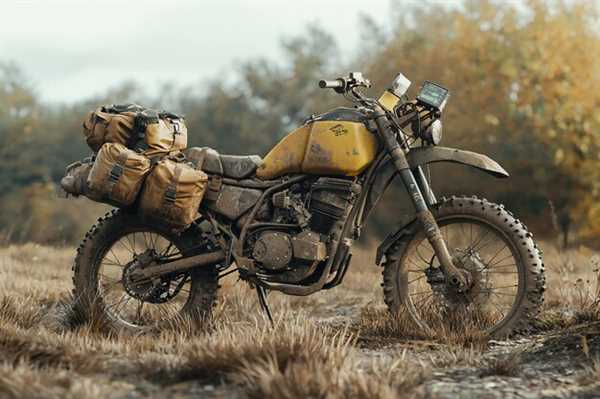
If you seek the ultimate thrill beyond paved paths, consider the KTM 890 Adventure R. This machine combines power with lightweight agility, designed for both rocky trails and sandy stretches. With a 889cc engine, it delivers ample torque, ensuring you conquer challenging terrains with ease.
Another standout choice is the Honda CRF1100L Africa Twin. Renowned for its balance, it features a sophisticated suspension system that absorbs bumps effectively. This bike provides ample comfort during long rides, making it a solid companion on rugged excursions.
For those who crave versatility, the Yamaha Tenere 700 shines with its 689cc parallel-twin engine. Lightweight and nimble, it allows riders to explore technical trails while maintaining a manageable performance on longer trips. The rally-inspired design emphasizes ruggedness without compromising everyday usability.
Lastly, the BMW F850GS offers high-tech features and robust construction. Its adjustable suspension and intelligent electronics assist in navigating unpredictable environments, ensuring thrilling escapades wherever the road leads you.
Choosing the Right Tires for Off-Road Performance
Select tires designed specifically for rugged terrains. Knobby patterns provide better traction, while the rubber compound affects grip and durability. Look for options that excel in wet and dry conditions.
Consider tire size carefully. A wider tire increases surface area, improving stability. However, it may make maneuvering harder in tight spots. Standard sizes typically range from 70/100-19 to 90/100-21 for front tires.
- Tread Design: Deep lugs enhance grip in loose soil.
- Sidewall Strength: A robust sidewall resists punctures.
- Weight: Lighter tires improve acceleration and handling.
Evaluate your riding style and terrain type. Hard-packed surfaces may require less aggressive treads, while sandy or muddy tracks benefit from deeper lugs. Different compounds can also enhance performance based on conditions.
Check tire pressure before hitting the trail. Lower pressure increases the contact patch, enhancing traction, but make sure not to go too low to avoid pinch flats.
- Research brands known for quality products.
- Read reviews from fellow riders about their experiences.
- Consider trying multiple sets to find what suits you best.
Be mindful of the season. Tire performance can change drastically with temperature variations. Softer compounds may wear out faster in hot conditions, while harder compounds could become too stiff in cold environments.
Regular maintenance extends tire life. Inspect for cuts, abrasions, and proper tread depth. Rotating tires also helps even out wear, maximizing their lifespan and performance.
Essential Accessories for a Safe Off-Road Experience
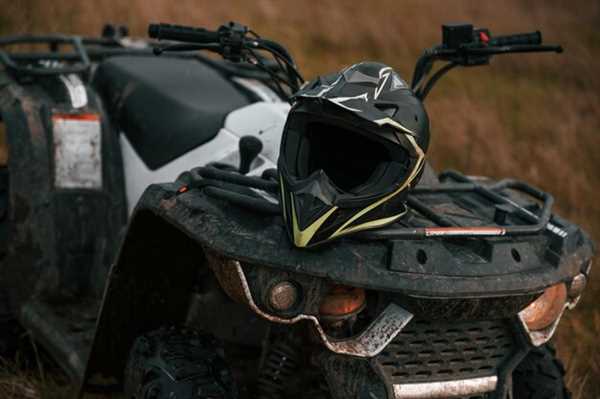
Invest in a high-quality helmet, as personal protective equipment is non-negotiable during rugged rides. Look for one that meets safety standards like DOT or ECE. A good helmet can protect against impacts and debris, reducing the risk of head injuries. Make sure it fits snugly and has ventilation options for comfort.
Investing in durable riding gear enhances safety and comfort. Abrasion-resistant jackets, pants, and gloves with armor offer protection against falls. Choose gear that is waterproof and breathable to ensure you stay dry in various weather conditions. Don’t overlook sturdy riding boots; they provide ankle support and grip for better handling.
A reliable navigation system is paramount for exploring uncharted paths. GPS devices designed for motorbikes or smartphone apps with offline capabilities are advisable. Always preload maps of your chosen areas, and ensure that your unit can withstand harsh environments, including rain and dust.
Carry a compact repair kit that includes tools for basic maintenance and tire puncture repairs. Tire repair kits with plugs and a portable air compressor can make a significant difference during unforeseen incidents. Investing in these accessories empowers riders to tackle challenges confidently without being stranded.
Top Features to Look for in an Adventure Motorcycle
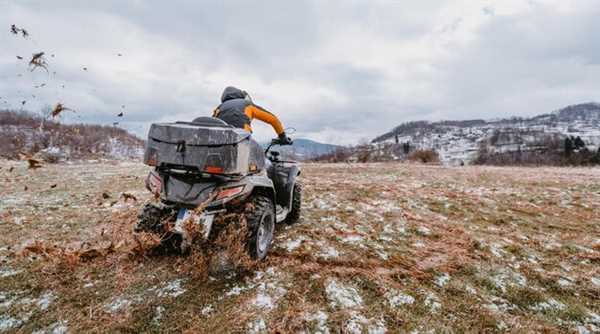
Consider models equipped with a robust suspension system to tackle rough terrains. Look for adjustable forks and rear shocks, which can absorb bumps and provide comfort. This capability ensures stability during prolonged rides on unpaved roads.
Choose a bike with a lightweight frame, as it significantly affects maneuverability and ease of handling in various environments. A lighter structure aids in quick direction changes and makes it easier to lift the motorcycle if it tips over.
Evaluate the engine displacement and torque ratings. A powerful engine is beneficial for climbing steep paths and navigating loose surfaces. Models with higher torque ensure smooth acceleration, even when loaded with gear.
Opt for motorcycles featuring advanced technology, such as traction control and ABS. These systems enhance safety by preventing wheel slip and maintaining optimal braking performance on slippery surfaces.
Finally, assess the fuel tank capacity. Longer rides require ample fuel storage to minimize stops on remote trails. Look for tanks offering a range that supports extended adventures without frequent refueling interruptions.
