
Check tire pressure regularly; maintaining optimal levels ensures better handling and safety. Inspect tread depth to prevent skidding on varied terrains. Invest in quality tires designed for long distances, considering weather and road conditions.
Prioritize lubrication for moving parts. Regularly inspect and change engine oil to keep the engine running smoothly. Don’t overlook the importance of chain maintenance; a well-lubricated chain enhances performance and extends its lifespan.
Storage is key for multi-day excursions. Equip your bike with saddlebags or a tail bag for organizing gear. Calculate weight distribution to avoid instability on the road. A well-organized setup can drastically improve comfort during long hauls.
Emergency tools can save time and trouble. Carry a compact toolkit, including tire repair kits and essential fluids. Familiarize yourself with basic repairs; knowledge can be as valuable as tools when issues arise far from civilization.
Lastly, consider comfort enhancements. Upgrading your seat can alleviate fatigue during extended travel. Adjust handlebars or footpegs to fit your physique better, ensuring a natural riding posture helps you stay focused on the adventure ahead.
Essential Gear and Equipment for Long-Distance Motorcycle Trips
A robust helmet designed for comfort and safety is non-negotiable. Look for a model with good ventilation and a visor that minimizes glare. Additionally, a well-fitted jacket made from durable materials such as leather or textile will provide protection against the elements and potential accidents. Don’t overlook gloves that enhance grip and protect your hands while allowing for a full range of motion.
For extended excursions, a reliable set of luggage is a necessity. Soft saddlebags or hard cases can securely store your clothes, gear, and supplies. Ensure your bike is fitted with an appropriate mounting system to accommodate these bags. A tank bag offers quick access to essentials like maps or snacks while also adding extra storage for smaller items, enhancing your riding experience.
| Gear Type | Considerations |
|---|---|
| Helmet | Comfort, ventilation, visor quality |
| Jacket | Material (leather/textile), weather resistance |
| Gloves | Grip, protection, flexibility |
| Luggage | Type (soft/hard), mounting system |
Don’t forget about tools and maintenance supplies. A basic toolkit, tire repair kit, and roadside assistance device are essential for unforeseen circumstances. Having these items on hand can save you from delays or additional expenses. Additionally, always carry first aid supplies to address minor injuries swiftly, allowing for a safer and more enjoyable time on the road.
Optimizing Your Adventure Bike’s Setup for Comfort and Performance
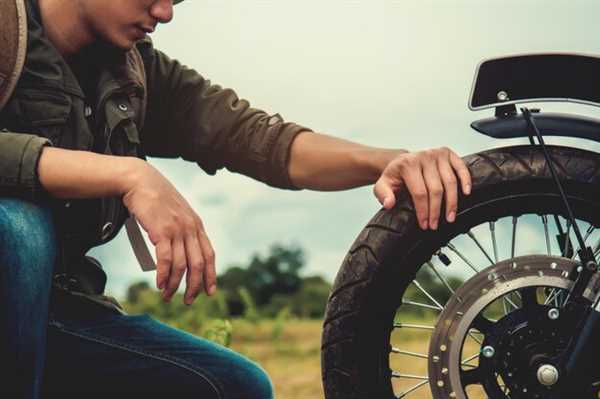
Adjust suspension settings to match weight and riding style. Proper sag settings enhance stability and control, especially on rough terrain. Check preload adjustments on both front and rear suspension; a 25-30% sag is usually ideal for off-road. Optimize tire pressure based on conditions: lower for off-road traction and higher for smoother surfaces. Don’t overlook the importance of ergonomic adjustments on handlebars and seat height to improve posture during extended rides.
Invest in quality grips and consider aftermarket seats for added comfort on long hauls. Ensure that the bike’s weight distribution is balanced, especially when loaded with gear. Selecting a windscreen that deflects air effectively reduces fatigue on highways. Regularly inspect and maintain all mechanical components, including brakes and drive chain, to guarantee peak performance and safety throughout the adventure.
Safety Measures and Maintenance Checks Before Hitting the Road

Check tire pressure and tread depth. Properly inflated tires ensure stability and traction on various surfaces. Worn-out tires can jeopardize safety, particularly on long stretches.
Examine brakes thoroughly. Inspect front and rear brake pads for wear. Replace them if they are below 2mm in thickness. Check brake fluid levels; low levels may indicate a leak or needed replacement.
Inspect lights and signals for functionality. Verify that headlights, taillights, and turn signals are all operational. This increases visibility and communication with other road users.
- Ensure battery connections are clean and secure.
- Test horn for reliability.
- Check fuses for any blown components.
Look over the chain and sprockets. Proper lubrication of the chain reduces wear and improves performance. Align the chain tension to within the manufacturer’s specifications.
Maintain fluid levels. Check engine oil, coolant, and brake fluid. Top off or change fluids as necessary to prevent overheating or engine failure during long distances.
Assess the overall condition of the bike. Look for any unusual leaks or sounds. Address minor repairs or maintenance tasks immediately to avoid major issues while on the road.
- Confirm that all tools and spare parts are readily accessible.
- Inspect protective gear, ensuring it fits correctly and functions well.
- Make a checklist of crucial items to carry on extensive trips.
