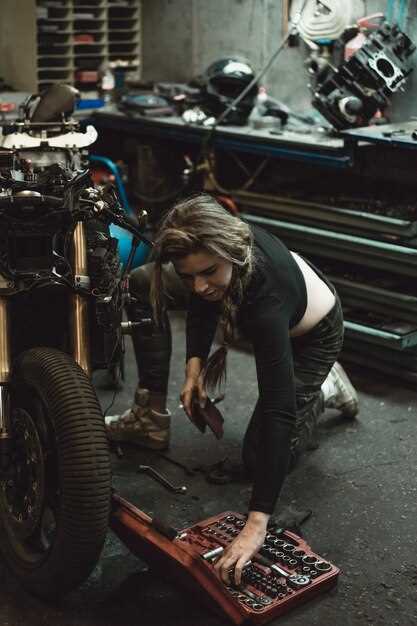
Consider upgrading components such as the exhaust system to improve performance and enhance the auditory experience. A high-quality exhaust not only boosts horsepower but also adds a personal touch to the appearance of your ride.
Invest in a custom seat that reflects your style while optimizing comfort for longer journeys. Options range from classic leather to modern materials, allowing for both aesthetics and ergonomics in your build.
Enhancing the visual appeal of your machine involves selecting a unique paint scheme or vinyl wrap that speaks to your personality. Custom graphics can further personalize the aesthetic, differentiating your ride from the rest.
Beyond appearance, explore suspension and brake upgrades that not only enhance safety but also improve handling. Quality components can drastically change your experience on the road, making your two-wheeler truly your own.
Selecting the Right Parts for Your Custom Build
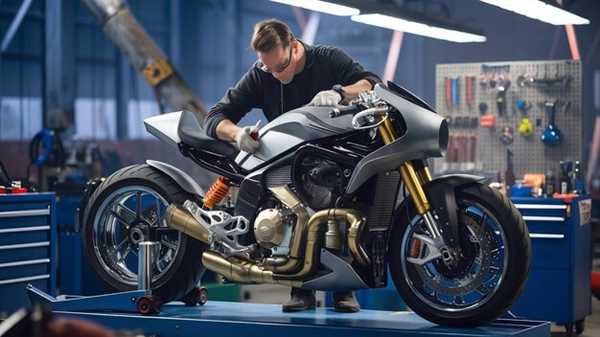
Prioritize researching components that match your vision and riding style. Focus on high-quality brands known for durability and performance. Essential parts include the frame, suspension system, and exhaust. Opt for lightweight materials, such as aluminum or carbon fiber, to enhance agility. Consider upgrading the braking system with aftermarket calipers and rotors to improve stopping power.
- Frame: Choose a design that aligns with your aesthetic preferences–sporty or retro.
- Suspension: Adjust height and stiffness to suit your handling needs.
- Exhaust: A performance exhaust can significantly alter both sound and efficiency.
- Wheels: Select lightweight, strong rims to enhance acceleration and responsiveness.
Mix and match parts to create a distinct look and feel. Specialized shops can help source unique components or even fabricate custom pieces. Ensure compatibility across all parts in order to maintain safety and functionality.
Techniques for Painting and Finishing Your Motorcycle
Begin with surface preparation. Properly clean and sand the frame and body parts to remove any existing paint, rust, or dirt. Use a degreaser followed by a thorough wash to ensure a smooth surface is ready for painting.
Choose high-quality primer. A good primer enhances the paint’s adhesion and longevity. Select a product compatible with the type of paint used, whether it’s acrylic, enamel, or urethane.
| Type of Paint | Best Use | Drying Time |
|---|---|---|
| Acrylic | General use | 1-2 hours |
| Enamel | Durability | 6-8 hours |
| Urethane | High gloss | 3-4 hours |
Apply paint in thin layers to avoid drips and runs. This method allows for better control and achieves an even finish. Allow each coat to dry thoroughly before applying the next.
Consider using a clear coat after the base color is applied. This layer protects the paint from UV damage, scratches, and enhances the overall shine. Ensure compatibility with the base coat.
Experiment with techniques such as airbrushing or stenciling for unique designs. These methods allow for intricate patterns and personal touches that can set a build apart from others.
For a professional finish, wet sand between coats. This technique smooths out imperfections and prepares the surface for the next application, resulting in a flawless appearance.
Lastly, allow the finished product to cure fully before reassembling. This helps the paint adhere properly and minimizes the risk of damage once the components are put back together.
Tips for Adjusting Suspension and Handling for Performance
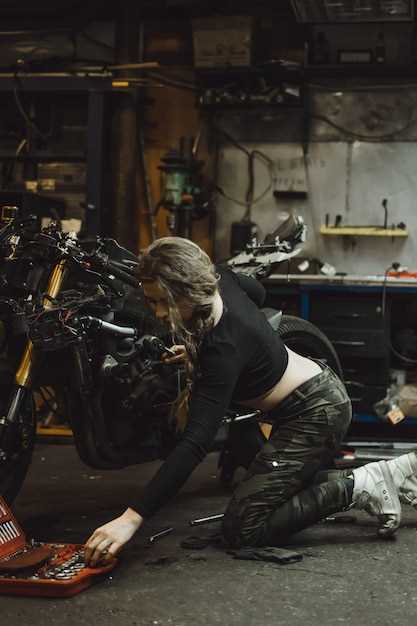
Adjust suspension preload to match weight. For a rider weighing between 150-200 lbs, set the preload so that the bike’s rear sag is about 30% of the total travel. This provides a balanced ride and enhances traction.
Experiment with rebound settings. If the bike feels like it is bouncing after hitting a bump, increase the rebound damping. Conversely, if it feels sluggish, decrease it. Finding the right setting can significantly influence handling during aggressive riding.
Adjust compression damping to enhance cornering stability. A stiffer front end can improve response during hard turns. Aim for a 10-15% increase if cornering feels overly soft. Test different settings to discover personal preference.
Fork height can influence steering geometry. Raising the front will quicken steering, while lowering it adds stability. Adjust based on riding style: aggressive riders might prefer a quicker response, while cruising might require a more stable approach.
Check tire pressure consistently. Ideal pressure varies by tire type but generally lies between 30-36 psi. Improper pressure can lead to poor contact with the road, affecting grip and overall performance. Monitor it regularly, especially before rides.
Consider upgrading components. High-performance springs or shocks can drastically improve feel and handling quality. Research products tailored for specific riding styles. Investing in quality parts pays off during high-speed or track riding.
Finally, evaluate suspension alignment. Misalignment can lead to uneven tire wear and compromised handling. A simple alignment check can reveal issues that, when corrected, enhance overall performance on the road or track.
