
Focus on smooth throttle application to maintain grip while accelerating out of corners. A gradual increase in power prevents wheel spin, allowing for better control and faster exits.
Mastering braking points is another critical aspect. Learn to brake later by gradually decreasing speed into turns, making sure to apply force progressively. This technique enhances steering precision, ensuring optimal trajectory through each curve.
Riding the apex properly maximizes speed on the straights. Aim to hit the highest point of the corner smoothly, which minimizes distance traveled and optimizes your entry and exit speeds.
Don’t overlook body positioning; it plays a key role in weight distribution. Shift your body to the inside of the track when cornering to enhance lean angle and improve cornering stability.
Additionally, consistently analyze data from your previous runs. Utilizing telemetry will provide insights into areas needing improvement, enabling targeted adjustments for future performance gains.
Mastering Cornering Techniques for Optimal Speed
Shift your weight to the inside of the motorcycle before entering a corner. This action shifts the center of gravity, allowing for better grip and control, which is crucial on the track. A common mistake is staying upright while turning; lean into the corner to maximize traction and maintain speed.
Brake before the apex rather than during. Deceleration while leaning can cause instability, leading to loss of grip. Instead, establish speed early. This method helps ensure smoother transitions and minimizes the likelihood of skidding or losing control.
Consider the throttle application at the exit of corners. Gradually increase the throttle as you transition from the apex to the straight, allowing the rear wheel to gain traction without slipping. This controlled acceleration shortens the time spent in the turn, improving overall lap performance.
Body positioning plays a critical role in cornering. Keep your knees squeezed against the tank to enhance stability. Point your toes outward and look through the turn; this alignment will aid in steering and help in anticipating the next section of the track.
| Technique | Effect |
|---|---|
| Shifting weight inside | Improves grip and control |
| Braking before apex | Enhances stability |
| Gradual throttle application | Maximizes traction |
| Proper body positioning | Increases stability and agility |
Utilize track layout for your advantage. Study each corner by observing the camber and surface characteristics. Different corners require distinct approaches; tight turns may necessitate more aggressive leaning versus sweeping bends which allow for faster lines.
Practice consistently. The more time spent on the track, the better the feel for corner dynamics will become. Regular riding enables refinement of techniques, allowing for adaptive strategies to handle different corner types effectively.
Improving Bike Control through Body Positioning
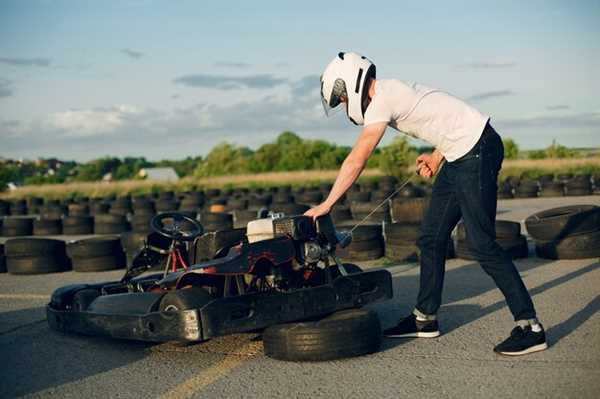
Focus on adopting a dynamic posture, shifting weight effectively during cornering. Place your knees tightly against the tank, which provides better grip and stability. Lean into the turn with your upper body while keeping your head pressed down. This alignment reduces the center of gravity, allowing for sharper handling.
Proper body positioning enhances overall control. Consider these key points:
- Keep elbows slightly bent, offering flexibility during maneuvers.
- Utilize your feet to maintain balance; keep them active on the footpegs.
- Engage your core muscles to stabilize your body.
Practicing these techniques consistently leads to greater confidence and agility on the motorcycle, resulting in improved performance on track days and races.
Fine-Tuning Throttle and Brake Control in Racing Situations
To maximize control, practice precise throttle modulation. On a motorcycle, apply gradual pressure on the throttle after leaning into a corner. This technique prevents rear wheel wheelspin and maintains stability, allowing for faster corner exit.
Bikes equipped with advanced braking systems require understanding of brake application. Apply the front brake progressively, allowing for natural weight transfer to the front. This enhances grip and avoids front-end washout on challenging sections of the track.
Balance is key; transitioning between throttle and brake can make or break a lap. When approaching tight turns, apply the brakes while simultaneously easing off the throttle. This method keeps the bike stable and maximizes lean angle without unsettling the chassis.
Implement engine braking effectively on downhill sections. Close the throttle slightly while in gear to use the engine’s resistance, which aids in slowing down. This reduces reliance on the brakes, preserving their effectiveness over longer distances.
Analyze data post-session to refine your technique. Look for patterns in throttle and brake usage throughout laps. Adjust your approach based on feedback for different track conditions, improving both confidence and speed over time.
