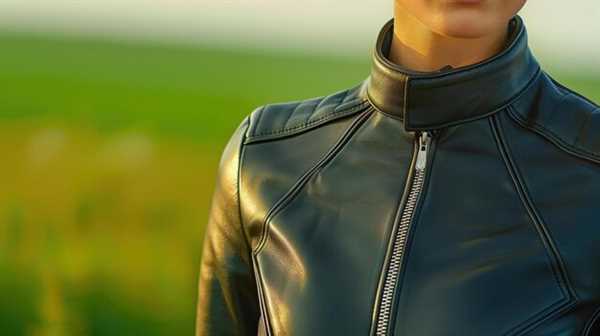
Opt for a well-fitted, abrasion-resistant outer layer that meets safety standards. Look for materials like Cordura or leather that provide durability while being comfortable for all-day wear. Ventilation systems are crucial for temperature regulation; jackets with zippered vents allow for airflow on warmer rides.
Incorporate features such as CE-rated armor at shoulders, elbows, and back, as this greatly enhances protection. Adjustable straps and reflective elements increase visibility, crucial for urban riding and low-light conditions. Multi-season options with removable liners can adapt to changing weather, making them suitable for various climates.
Pay attention to pockets–secure storage for essentials can enhance your riding experience. Waterproof models are ideal for unpredictable weather. Finally, ensure that the arm length and torso fit suit your riding style; a snug yet unrestricted fit is critical for safe handling of your bike.
Evaluating Safety Features in Riding Jackets for Urban Commuting
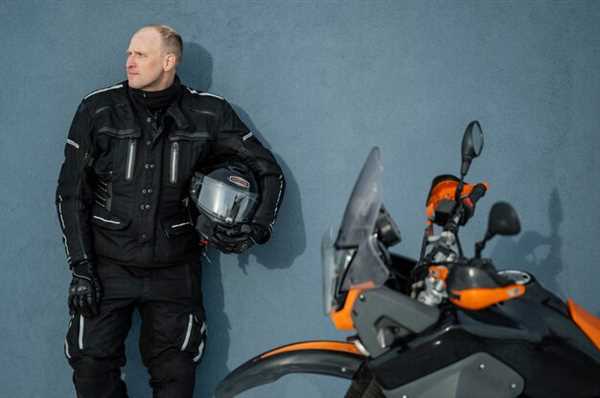
Opt for gear that features CE-rated armor at critical points such as shoulders, elbows, and back. This certification ensures the protection level of the padding used in these areas, significantly reducing injury risk during an accident. Look for jackets with reinforced stitching and abrasion-resistant fabrics like Cordura or Kevlar, which provide extra durability when facing urban hazards.
Reflective elements play a vital role in visibility, especially during night rides; therefore, prioritize options incorporating high-visibility panels or piping. Additionally, consider the jacket’s fit; a snug without being restrictive design helps keep armor in place, maximizing protection. Ventilation options can enhance comfort while maintaining a level of protection, allowing for better airflow during daily commutes or longer excursions.
Comparing Materials and Comfort for Long-Distance Touring

Opt for textiles like Cordura or nylon with high denier counts for durability. These materials offer resistance to abrasion and wear, which is critical during extended rides.
Leather provides a classic option with unique benefits. Full-grain leather delivers excellent protection while developing a distinctive patina over time. It may take longer to break in but offers superior comfort once acclimated.
- Breathability is crucial during hot weather; look for jackets with mesh panels.
- Waterproof membranes such as Gore-Tex can keep you dry without sacrificing breathability.
Layering should be considered for temperature regulation. A combination of an insulated liner and a shell allows adaptability, accommodating changing climates throughout long trips.
Padding and armor should be factored into your selection. CE-rated protectors at key impact zones enhance safety without compromising mobility.
- Check pocket placements for easy access to essentials while riding.
- Look for adjustable features in cuffs and waist to ensure a personalized fit.
Always try before buying. A comfortable fit enhances the whole experience, reducing fatigue and allowing for longer adventures.
Understanding the Fit and Adjustability for Optimal Riding Experience
To achieve the best fit in motorcycle gear, it’s crucial to take accurate body measurements. Key areas include the chest, waist, and hips. This data allows the selection of items that correspond to personal proportions, ensuring the gear isn’t constrictive or overly loose. Look for sizing charts provided by manufacturers, as variations can exist between brands.
Adjustability features play an integral role in comfort during long rides. Many garments incorporate adjustable cuffs, waistbands, and collar areas to enhance the fit. These elements help customize how the gear sits on the body, reducing wind resistance while allowing for layering underneath in colder climates. Frequent adjustments may become necessary as weather conditions fluctuate.
Material stretch and breathability contribute significantly to the fit of riding gear. Fabrics that offer elasticity ensure better adaptation to one’s movements on the bike. In contrast, breathable materials help regulate body temperature, essential for both safety and comfort on extended trips. Premium models often merge these features, providing both flexibility and ventilation.
Lastly, consider layering systems that allow adaptability for different riding situations. A well-fitting base layer offers insulation, while outer protective shells can be secured according to varying weather. This system allows for a personalized experience, promoting a combination of safety and comfort that enhances overall enjoyment while riding.
